 |
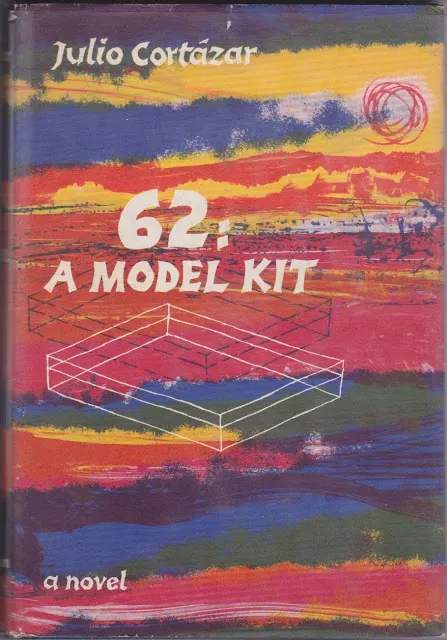
| First US edition of 62: A Model Kit published by Pantheon/Random House in 1972 |
Julio Cortazar's fifth novel is an offshoot of chapter 62 from his mammoth book,
Hopscotch, which is only a few pages long and recounts the outline for a potential novel from a few scraps of paper that the character Morelli is planning to write. The primary basis for the novel is that it takes place in a world wherein human behavior is indefinable by psychology. This novel,
62: A Model Kit is at the same time a continuation of that brief chapter about Morelli as much as it is a follow-through of the novel upon which the notes were based. Cortazar's slimmer, semi-sequel to
Hopscotch isn't quite as good as its progenitor, but it is still a whimsical, interesting read about a pre-ordained world only Cortazar could have created where anything can take place. It can also be read independently of
Hopscotch, which may appeal more to first-time Cortazar readers not brave enough to commit to a 500+ page read. This first edition features great companion cover art to
Hopscotch by Kenneth Miyamoto—George Salter unfortunately died five years earlier, otherwise I'm pretty sure it's safe to say he would have done the jacket design for this book as well.